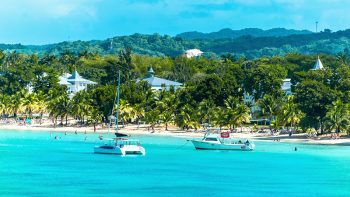
Cuba has cracked open its tourism sector to private enterprise for the first time since the 1953 revolution. Private companies can now run travel operations and foreigners can invest directly in real estate and resort development on the island.
Decades-old state monopolies on travel distribution and tourism real estate are falling, opening opportunities to new accommodations, upgraded amenities, and foreign capital flowing into heritage zones like Old Havana.
The changes are part of the sweeping 176 reform measures unveiled in June which Havana is now rushing into law as gas shortages, soaring food prices and a punishing US fuel blockade push the state economy toward collapse.
The decrees include authorizations allowing Cuban firms to work directly with foreign investors and maintain accounts abroad. Previously, any kind of foreign investment meant a joint venture with the government.
Other reforms green‑light private companies with more than 100 employees and permit privately owned banks, pharmacies, and gas stations.
"By expanding ... we are unlocking unprecedented opportunities," said Gihana Galindo, Director of the Cuba Tourist Board in Toronto.
Some highlights for advisors to note:
- New travel operator models: The country now allows joint ventures, fully foreign‑owned travel operators, and certified private guides, which could widen the menu of curated itineraries;
- Expanded car rentals: Vehicle rental operations can now be run by state, foreign, or private players;
- Marinas and ecotourism: Fresh joint‑venture rules and tax perks open the door for marina development and niche eco‑projects; and
- Modernized payments: A new online corporate bank for tourism promises smoother, internationally connected transactions.
Cuban tourism reached a historic low earlier this year after the US cut off its energy supplies, threatening tariffs against trading partners.
Foreign hotels and resorts, including Spain’s Melia and Iberostar, and Canada’s Blue Diamond Resorts, pulled out of Cuba earlier this year. Canadian airlines also suspended service to the island indefinitely.
Despite the modernizations, President Miguel Díaz‑Canel insists capitalism isn't creeping in, framing the announcements as a way to “preserve” socialism, according to the Canadian Press.
However, the private sector is already filling the vacuum left by a collapsing Cuban state. According to official data, more than 15,000 small and medium-sized businesses currently operate in Cuba, employing more than a third of the working population.
Private companies now also dominate food and fuel distribution.
With the fuel blockade lingering, reforms will not be fully effective until it is lifted and gas flows freely into the country again.