Higher airfares may be here to stay, even if supply chains stabilize and jet fuel prices normalize. While fuel costs are a significant driver of ticket prices, industry honchos say increased demand for travel is the other side of the coin.
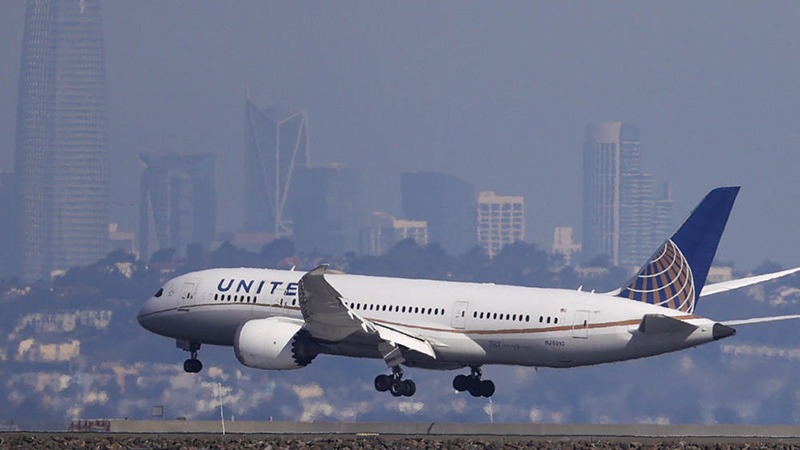
As reported by CNN, United Airlines CEO Scott Kirby told shareholders last week that “the longer consumers pay these prices and airlines get used to this revenue stream, the more likely it is (to hold).”
The airline’s fares have increased about 20% since last year.
When CNN asked American Airlines CEO Robert Isom about maintaining higher fares when fuel prices fall, he said he was “bullish on what that means for our business.” Neither geopolitical uncertainty nor increased costs has resulted in reduced bookings, he said.
“I think that what you’re seeing is recognition that travel is still a good deal,” Isom told the broadcaster.
The price of jet fuel, which is set globally, has doubled since the US and Israel attacked Iran in February, resulting in the closure of the Strait of Hormuz. While a shaky ceasefire is now in place, the strait remains closed to commercial shipping.
Delta Air Lines’ fuel costs have reportedly jumped $2 billion during the first quarter, and Spirit Airlines has sought a $500,000 bailout from the US government. Canadian airlines have also added fuel surcharges to fares.
Analysts warn that while some airlines may see higher revenue in the long run, smaller, budget-oriented airlines may not survive the current crisis, reducing competition and paving the way for higher fares.
“If you remove low-cost competition from the equation, then, yes, I think that United and those airlines could really get away with these higher fares sticking around for a long time,” author and industry watcher Zach Griff told CNN.