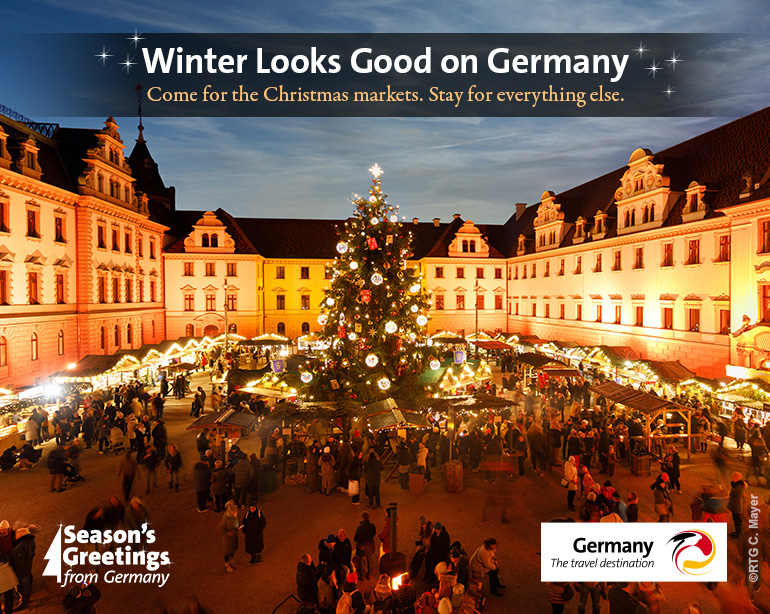
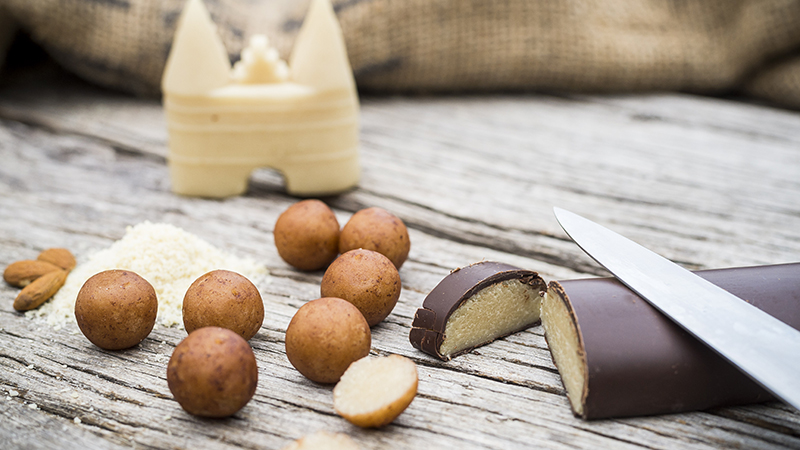
Christmas in Germany is something to taste as much as see. During Advent, historic squares and old town streets fill with the aromas of gingerbread, roasted almonds, sausages, and regional delicacies, while cafés, bakeries, and traditional restaurants offer their own take on the season.
In Germany’s historic cities, food becomes part of the experience of exploring itself. Local flavours are just another way to get to know a place.
Where History Meets the Table
Some of Germany’s most memorable Christmas-season experiences happen when food and history come together. A morning spent wandering medieval streets can lead to a warm bakery and a regional pastry, or an afternoon exploring a cathedral can end with a traditional tavern meal.

The Historic Highlights of Germany (HHoG) association represents 17 historic German cities, from Aachen to Würzburg. Its mission is to offer travellers a way to discover some of the country’s cultural heritage beyond its major gateways. Many of its member cities are especially well suited to a Christmas-season visit, when their old towns become part of the festive experience themselves.
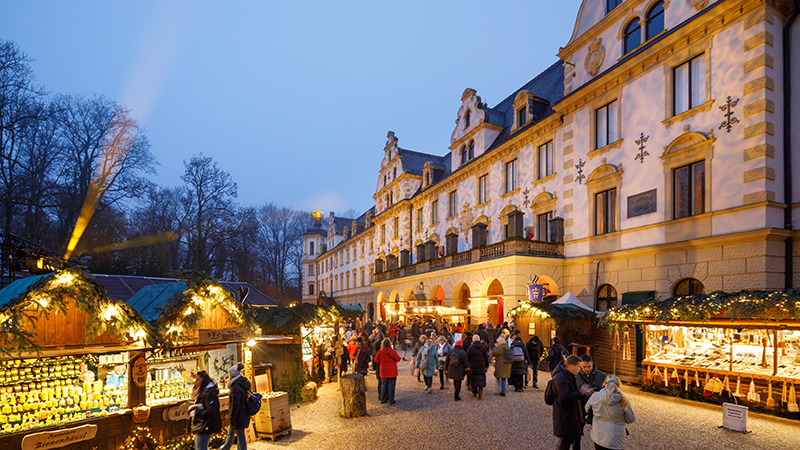
Regensburg is a good example. Its medieval old town, Stone Bridge, and cathedral provide plenty to explore between meals, while traditional taverns offer hearty regional dishes and seasonal specialties. A stop for mulled wine or something sweet at the market can easily become part of a day spent exploring the city.
Lübeck offers a similarly strong setting for wandering, dining, and discovering local traditions, with a beautifully preserved historic centre that’s just as walkable — travellers can move naturally between historic sights, cafés, and festive markets without needing a car.
Follow the Flavours
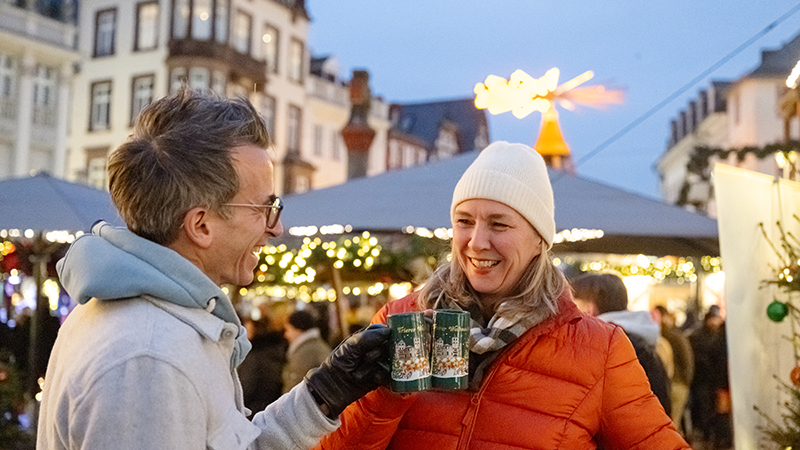
Germany’s regional food traditions give travellers plenty of reasons to keep exploring, with each region offering its own edible calling cards shaped by local ingredients, recipes, and traditions.
Six German Christmas bites with a story
- Backbanane (Rostock): Fried bananas born from East Germany’s surplus Cuban imports, now a quirky seaside-market tradition.
- Studentenkuss (Heidelberg): Dark chocolate pralines created in 1863 as a discreet way for students to pass love notes past chaperones.
- Glühviez (Trier): Hot, spiced apple cider served as Trier’s take on mulled wine, with its own Mulled Wine Queen.
- Printen (Aachen): A dense, spiced stamped gingerbread developed when Napoleonic-era shortages forced bakers to replace traditional ingredients.
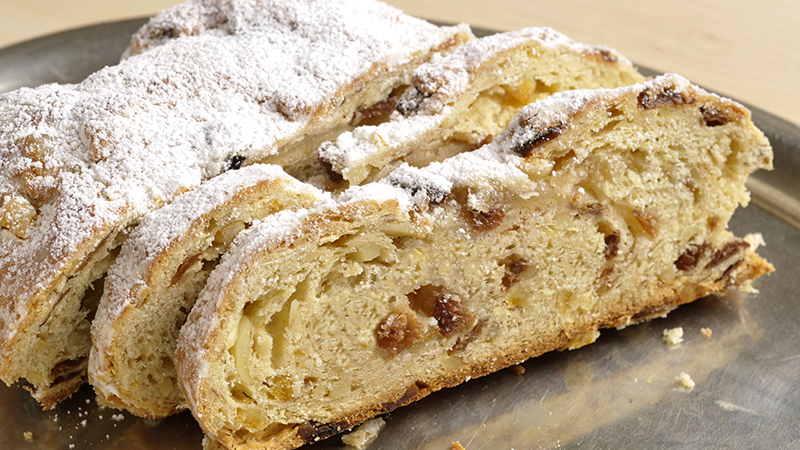
- Erfurter Schittchen (Erfurt): A dense dried-fruit bread first documented in 1329 and considered an early form of German Stollen.
- Knacker “mit allem” (Regensburg): A traditional sausage roll topped with sweet mustard, horseradish, and pickles for a surprisingly punchy bite.
Make Food Part of the Itinerary
For clients who love food, the Christmas markets can be the starting point for a broader culinary journey through Germany.
Pair a major city with a smaller historic destination. Build in time for regional restaurants rather than relying solely on market stalls. Look for local specialties tied to the destination and allow enough time to explore the historic centre before or after a meal.

The 17 HHoG cities are particularly useful for this kind of itinerary because the food experience doesn’t exist in isolation. It’s connected to the architecture, history, and local traditions that give each destination its identity.
That’s what makes Germany rewarding for travellers who want their Christmas trip to be more than a string of markets. The market might draw them in, but the food, history, and character of the cities are what make them stay.