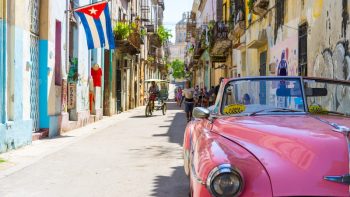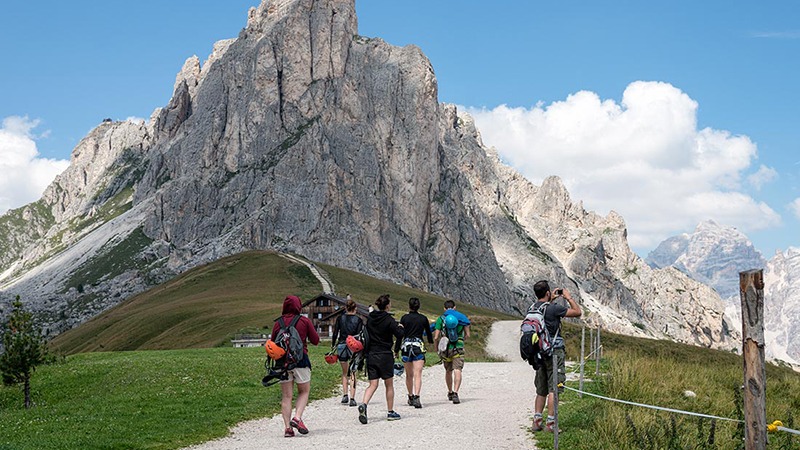
The trips travellers remember best show them something new and challenge them a little, according to new Butterfield & Robinson research into why some trips are unforgettable, and others fade.
The Memory Imprint Study, released Thursday, draws on an online survey of 1,019 leisure travellers in the US and Canada, aged 30 to 75, with household incomes of $150,000 or more.
Asked to choose, 87% of respondents said they would put their money toward travel memories ahead of more possessions, and 92% agreed that travel memories bring a kind of happiness that assets can’t.
Novelty outranked every other driver by more than 20 percentage points, and 83% of respondents said a new destination is far more memorable than a return visit.
Effort mattered too, in what the study calls the "comfort paradox." Finding their way through unfamiliar places left 73% with positive memories; trying unfamiliar food or customs did the same for 71%; and physical exertion, such as hiking or cycling, did so for 59%.
Crowds and over-commercialized destinations were the biggest obstacle to memory-making, cited by 67%, well ahead of sameness (33%) and impersonal itineraries (30%). About 58% called unexpected moments essential to a trip worth remembering.
Bonding with travel companions made a journey memorable for 58%, and 48% said they loved authentic connections with locals. Personalization was also named a memory-maker by 52%.
Travel also held its own against life milestones. Half of respondents rated it more memorable than starting a first job, and 22% rated it more memorable than buying a house.
CEO Mike Scarola said the results back the philosophy the company has followed for 60 years: that luxury in travel lies in active exploration.
“We’re bringing these insights into the way we prepare for each trip and shape each itinerary,” he said.