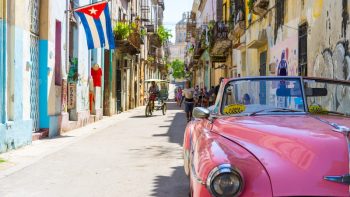
The US pressure campaign on Cuba tightened again this week, with Washington broadening its enforcement of laws that prevent Americans who visit from using state-owned or affiliated businesses.
The Treasury and State departments also implemented fresh sanctions against nine companies owned by the state, including mining, metal and construction, along with the senior leadership at the Cuban Institute of Friendship with the Peoples (ICAP).
Secretary of State Marco Rubio accused ICAP of running a “subversive network” inside the US aimed at radicalizing Americans, pointing to recent events marking Fidel Castro’s 100th birthday.
“Just days ago, the regime attempted to use Communist kingpin and despot Fidel Castro’s 100th birthday to reinvigorate this subversive network, ferrying a new brigade of international sympathizers to Havana to network with regime officials,” Rubio said in a statement.
The move comes on the heels of an operation at Miami Airport where American travellers returning from Castro-related events in Cuba were briefly detained, and some had their phones and laptops seized for inspection.
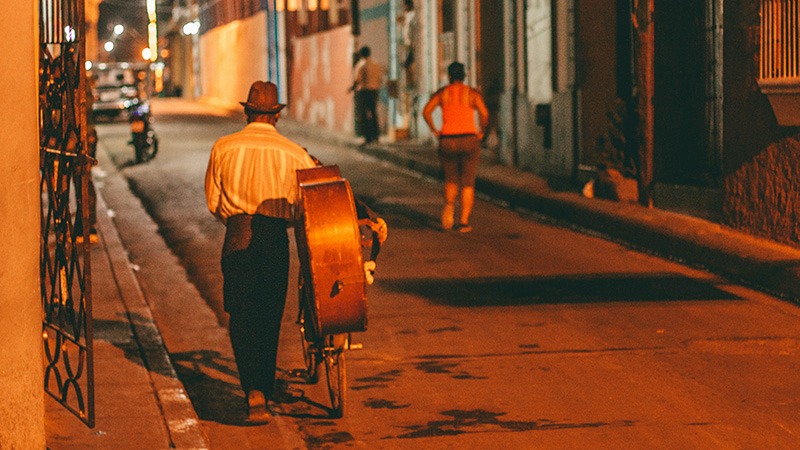
Travellers are encountering widespread blackouts, transport breakdowns, and medicine shortages as Cuba deals with an ongoing energy crisis brought on by an oil blockade after the US kidnapped Venezuelan leader Nicolas Maduro.
Cuban Foreign Minister Bruno Rodríguez blasted the latest sanctions, accusing Washington and Rubio of deliberately trying to cripple the island’s economy and disrupt basic services.
“In his failed obsession with Cuba, he is now targeting executives and officials from ICAP — an institution that, for over six decades, has promoted friendship, international solidarity, justice, and peace — the exact opposite of what the Secretary of State has always championed in his corrupt policy,” Rodríguez wrote.