So much for an easy hurricane season…
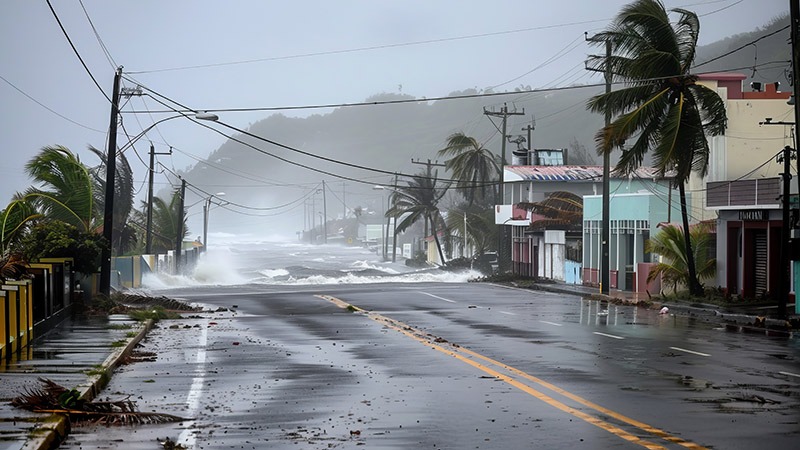
Hurricane Melissa is heading north after slamming into Jamaica as one of the strongest Atlantic hurricanes of all time. The winds, blowing through trees and towns, have slowed, and it hit Cuba early Wednesday morning as a Category 3 storm. Cuba Tourist Board told Open Jaw that the storm has since weakened to a Category 2 hurricane after moving through the eastern part of the country.
Strong winds and heavy rains have caused severe flooding and the US National Hurricane Center (NHC) advised people in Cuba that a "life-threatening storm surge, flash floodings and landslides, and damaging hurricane winds" were ongoing on Wednesday morning.
The NHC has also told people to remain sheltered until it’s deemed safe.
Cuba’s president, Miguel Díaz-Canel, had warned residents to brace for a “very difficult night” as more than 735,000 people had been evacuated.
CNN meteorologists predicted that Melissa would drop 10 to 20 inches of rain across eastern Cuba, and up to 25 inches over the mountains. High volumes of rain water like this are triggers for flash floods and landslides.
Melissa left Jamaica without power after devastating the country on 28OCT as a powerful Category 5 storm, the strongest-ever storm on record to hit the island nation. Jamaican authorities report damage to infrastructure, with communications being disabled as well as electricity supplies.
Jamaica's two main airports, Norman Manley International Airport (KIN) and Sangster International Airport (MBJ), remain closed, with a focus on resuming operations as soon as possible to facilitate humanitarian aid getting into the country.
Although Hurricane Melissa has moved on, Jamaica continues to grapple with its aftermath. The U.S. Hurricane Center is urging residents to remain sheltered as downed power lines and flooding pose ongoing hazards. Half a million people are without power and most regions face blocked roads. Reports indicate many families are still trapped in their homes as rescue workers try to reach them in the hope that they are still alive.
After leaving Cuba, the hurricane is expected to head to southeastern and central Bahamas later on Wednesday. The hurricane's path will then take it just west of Bermuda late on Thursday.