A shutdown of the US government began at midnight on 01OCT, 2025 and is expected to add stress to an already stretched transportation system.
Up to 750,000 federal workers face lay offs as services are curtailed, with Trump threatening mass firings amid rising political tension and concerns about the impact.
Various industry groups are sounding the alarm:
- US airlines warned on Monday that a partial federal government shutdown could strain American aviation and slow flights, as air traffic controllers and security officers would be forced to work without pay and other functions would be halted.
- Airline trade group Airlines for America, which represents United Airlines, Delta Air Lines, American Airlines, Southwest Airlines and others, warned that if funding lapses, "the system may need to slow down, reducing efficiency" and impacting travellers.
- The U.S. Travel Association (USTA) estimates a loss of $1 billion every week. During this time, federal agencies and services not considered "essential" must pause working, such as national parks, while others, including TSA officers, will continue.
- Fox Business is running an article entitled Airlines warn government shutdown could disrupt flights, strain aviation system which states “Modern Skies Coalition says a shutdown would force the FAA to suspend hiring and training, delay safety initiatives and create costly backlogs.”
- The GBTA issued a statement on the Federal Government shutdown today where Executive Director and COO Michael W. McCormick said,
“America’s economy can’t grow without a reliable system supporting business travel. But a government shutdown will have rippling effects through the economy and severely impact the business travel industry. Every business trip cancelled results in permanently lost travel industry revenues, decreased future employment rates and lost economic benefit to our country.
Enough is enough. The United States must remain open for business.”
Unpaid TSA
To be clear, airports and flights will continue to operate because air traffic controllers and Transportation Security Administration (TSA) are essential services, but they will not be paid. Travel experts and airline associations warn that staff working unpaid—especially if the shutdown drags on—can lead to low morale, more sick calls, and staff shortages, which translates into longer security waits and increased chances of delays and disruptions. During previous shutdowns, up to 10% of TSA workers called in sick, producing major backlogs and slowing down operations at major hubs.
The Federal Aviation Administration (FAA) will furlough more than 11,000 employees, and all hiring and training of new controllers is suspended, compounding a critical existing controller shortage and threatening future system bottlenecks.
Impact on Cross-border and International Travel
Travellers from Canada and Mexico visiting the U.S. could face longer border waits as customs and immigration staffing levels are stretched. While border agents are essential, support roles and any services considered non-essential are put on hold, including visa processing and other paperwork, which can complicate international itineraries
Tourism, National Parks, and Local Economy
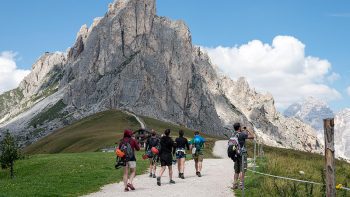
Possibly the most visible impact will hit national parks and museums. The majority of the US’ 433 national park sites will close access to visitors, visitor centres, and restrooms, crippling local tourism revenue, especially in gateway communities. For iconic sites like the Grand Canyon, states may try to allocate funds to keep the parks running but most closures are expected. Major museums, such as the Smithsonian in Washington, D.C., will remain open only as long as emergency funds last—with closures likely by 06OCT without action from Congress.
Hotels, restaurants, tour operators and travel businesses dependent on national park visitor traffic will see immediate financial losses as bookings are cancelled or postponed.
Broader Industry Consequences
While the essential arteries of transportation and security remain functioning, the cumulative effect of longer airport lines, closed attractions, delayed paperwork, and public uncertainty will continue to erode traveller confidence throughout North America.
It’s not good, people.